
First Aid and BLS-D Guidelines in the UK
In the UK, and specifically in Northern Ireland, first aid training adheres to:

-
- Resuscitation Council UK Guidelines
- The Resuscitation Council UK provides authoritative guidelines for CPR and AED use, tailored to the UK’s healthcare and public safety landscape. These guidelines emphasize simplicity and accessibility, ensuring that lay rescuers can act effectively in emergencies.
- Health and Safety Executive (HSE) Regulations
- Resuscitation Council UK Guidelines
- Under the Health and Safety (First-Aid) Regulations 1981, employers are legally required to:
- Assess workplace risks and determine first aid needs.
- Provide adequate and appropriate first aid equipment, facilities, and trained personnel.
- Regularly review and update first aid provisions to align with risk assessments.
- The Automated External Defibrillators (Public Access) Bill
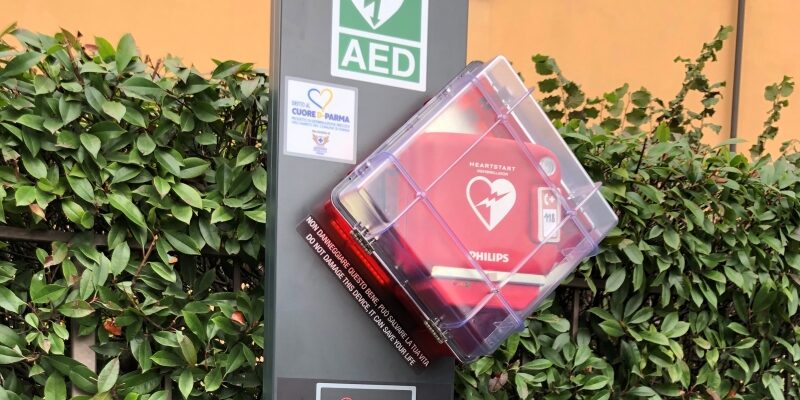
- This legislation promotes the availability of AEDs in public spaces and aims to standardize their placement across the UK. It encourages community training and awareness programs to increase bystander intervention rates.
- Good Samaritan Laws and Duty of Care
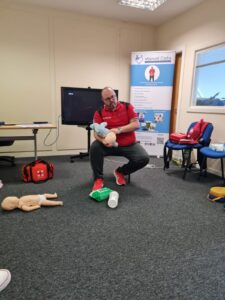 In the UK, individuals providing first aid are protected by Good Samaritan laws, which ensure that rescuers acting in good faith are not held liable for unintended outcomes. Additionally, the concept of ‘duty of care’ applies to employers and organizations, requiring them to ensure the safety and well-being of employees and visitors.
- UK Resuscitation Council’s Quality Standards
- These standards outline the minimum requirements for training providers, including the use of high-quality equipment, trained instructors, and evidence-based curriculums.
Key Differences Between Italy and the UK
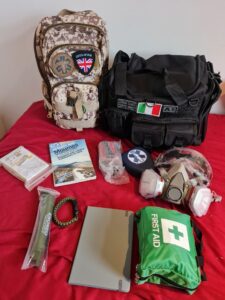
While both countries prioritize the importance of first aid and BLS-D, there are notable differences:
- Guideline Sources: Italy often references AHA guidelines, whereas the UK relies heavily on the Resuscitation Council UK.
- Workplace Requirements: Italian regulations integrate first aid into broader workplace safety frameworks, while UK regulations focus explicitly on first aid itself.
- Public AED Access: Both countries emphasize public AED programs, but the implementation and coverage can vary based on local government initiatives.
- Certification Requirements: Italy’s certification programs are often regulated by national health authorities, whereas in the UK, certification must meet HSE-approved standards.
 My Approach to Training
To ensure high-quality training, I:
- Stay updated with the latest guidelines from both the AHA and Resuscitation Council UK.
- Tailor courses to the specific legal and cultural contexts of Italy and the UK.
- Provide practical, hands-on sessions to build confidence and competence in participants.
- Emphasize the importance of regular refresher courses to maintain skills and knowledge.
First Aid and BLS-D Guidelines in Italy 
In Italy, the framework for first aid and BLS-D training is guided by:
- American Heart Association (AHA) Guidelines
- These internationally recognized guidelines form the cornerstone of life-saving techniques in Italy. They outline evidence-based practices for CPR, AED use, and emergency cardiovascular care.
- National Guidelines for BLS-D
- Italy has adopted specific national standards to tailor first aid practices to local contexts. These include requirements for AED accessibility, public health initiatives, and regular updates on resuscitation techniques.
- Workplace Safety Regulations
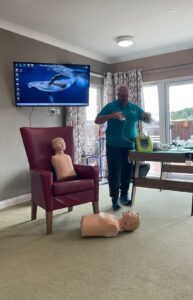 Italian workplace safety laws, particularly Decreto Legislativo 81/2008, establish comprehensive guidelines for workplace health and safety. Employers are obligated to provide adequate first aid training, designate trained personnel, and ensure the presence of necessary equipment such as AEDs in workplaces and public spaces.
- Ministerial Decrees and Regional Directives
- Additional ministerial decrees, such as those issued by the Ministry of Health and local health authorities (ASL), provide detailed protocols for training programs, certification requirements, and the placement of AEDs in public areas.
- Legal Obligations for Public Access to AEDs
- Law n. 120/2001 mandates the availability of AEDs in high-traffic public locations and emphasizes training for non-healthcare professionals. This law underlines the importance of swift defibrillation in cardiac emergencies.
By integrating AHA recommendations with national and regional protocols, training in Italy ensures a harmonized approach that meets international standards while addressing local needs.
Conclusion
In a world where medical emergencies can occur at any time and place, First Aid and BLS-D training represent essential skills. The differences in regulations between Italy and the UK demonstrate how each national context requires tailored approaches to meet local needs while maintaining a focus on the quality and effectiveness of life-saving techniques.
My goal as an instructor is to provide practical skills and theoretical knowledge that empower everyone, from workers to ordinary citizens, to respond to emergencies with confidence and professionalism. Through personalized and up-to-date courses, we can work together to create safer and more prepared communities.
If you would like more information or wish to attend a training session, don’t hesitate to contact me. Preparing today means being ready to save a life tomorrow.
#FirstAidTraining #BLSDGuidelines #CPRTraining #WorkplaceSafety #DefibrillatorTraining #ResuscitationCouncilUK #AHAFirstAid #EmergencyPreparedness #HealthAndSafety #SaveLives #PublicAccessDefibrillator #FirstResponderTraining #BLSCertification #CPRGuidelines #HeartHealth #mctraining #manuelcarta #manuelcartatraining