

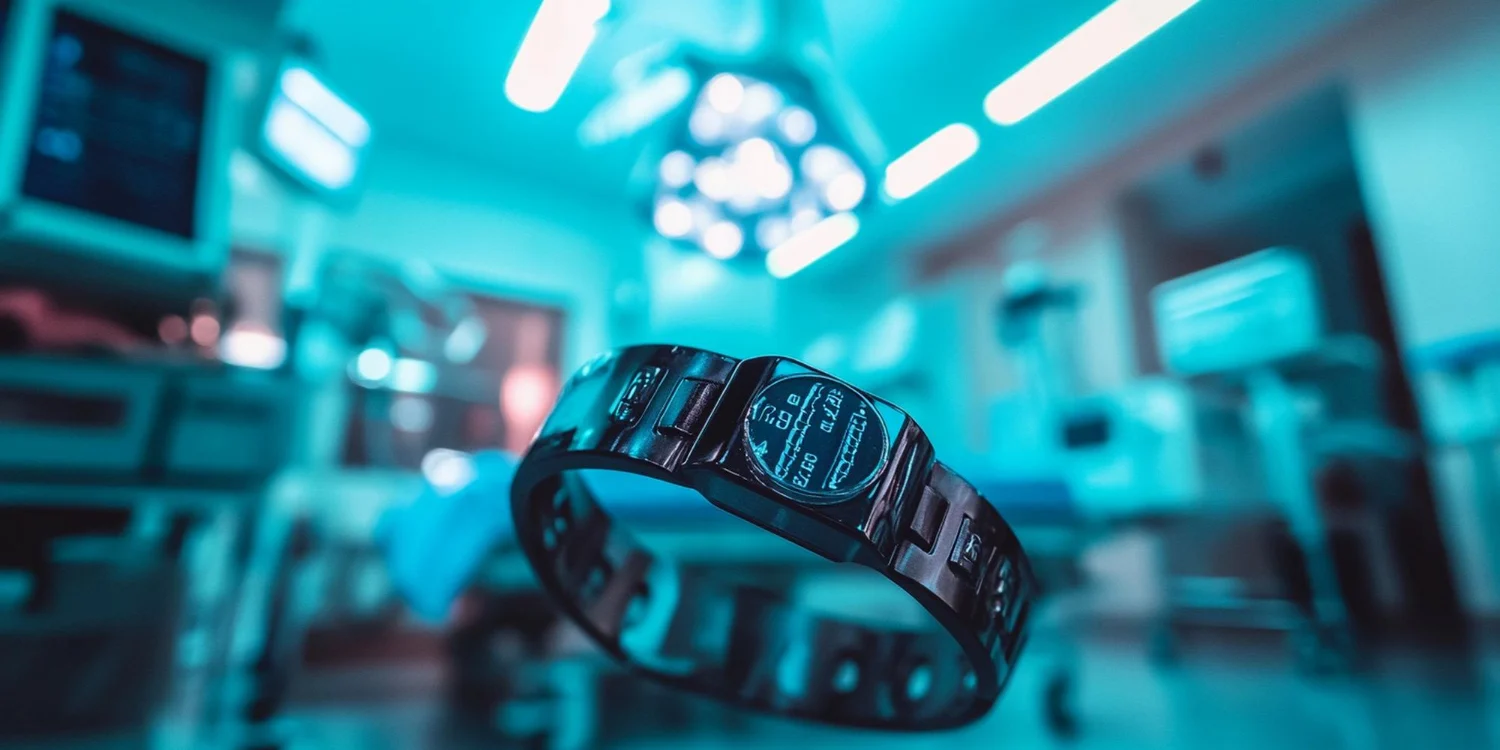
Wearable Technology: A Game Changer in Emergency Response
In recent years, wearable technology has significantly evolved, moving beyond fitness tracking to become a critical tool in emergency medical response. Devices like smartwatches, biometric sensors, and AI-driven health monitors are transforming how we detect and react to medical emergencies, ultimately saving lives through early detection and rapid intervention.

Early Detection of Medical Emergencies
One of the most groundbreaking advancements in wearable technology is its ability to identify early warning signs of medical conditions. Smartwatches equipped with electrocardiogram (ECG) sensors can detect atrial fibrillation (AFib), a condition that increases the risk of stroke. Similarly, pulse oximeters embedded in wearables can monitor blood oxygen levels, providing crucial data for individuals at risk of hypoxia or respiratory distress. These features empower users to seek medical help before their condition worsens.
AI and Real-Time Emergency Response
Artificial intelligence is enhancing the capabilities of wearable devices, enabling real-time analysis of health data. AI-driven algorithms can identify irregular heart rhythms, sudden drops in oxygen levels, or signs of a heart attack, prompting immediate alerts to the wearer and, in some cases, automatically notifying emergency contacts or healthcare providers. This seamless integration between wearables and emergency services can make the difference between life and death, especially in cases where the individual is unable to call for help.
Bridging the Gap Between Patients and First Responders
Wearable technology is also revolutionizing how first responders access critical patient information. By linking wearables to emergency medical systems, paramedics can receive real-time health data before arriving at the scene. This provides them with vital information about the patient’s condition, allowing for a more targeted and efficient response. In addition, some smart devices can transmit GPS coordinates, ensuring help reaches the individual as quickly as possible.
The Future of Wearable Health Technology
As technology continues to advance, the future of wearable health monitoring looks promising. Innovations such as non-invasive glucose monitoring for diabetics, continuous blood pressure tracking, and AI-powered predictive analytics are on the horizon. These advancements will further integrate wearable devices into healthcare systems, enhancing preventive care and emergency response capabilities.

Wearable technology is no longer just about tracking fitness goals—it is reshaping emergency medical response. By detecting health issues early, providing real-time alerts, and improving coordination with first responders, these devices are playing a crucial role in saving lives. As AI-driven health monitoring continues to evolve, the potential for wearables to enhance emergency response will only grow, making them an indispensable tool in modern healthcare.
#WearableTech #HealthTech #Smartwatches #EmergencyResponse #AIHealth #DigitalHealth #MedicalWearables #TechForGood #HealthcareInnovation #FirstResponders #RemoteMonitoring #IoTHealth #SmartHealthcare #HealthAI #FutureOfMedicine #manuelcartatraining #mctraining