

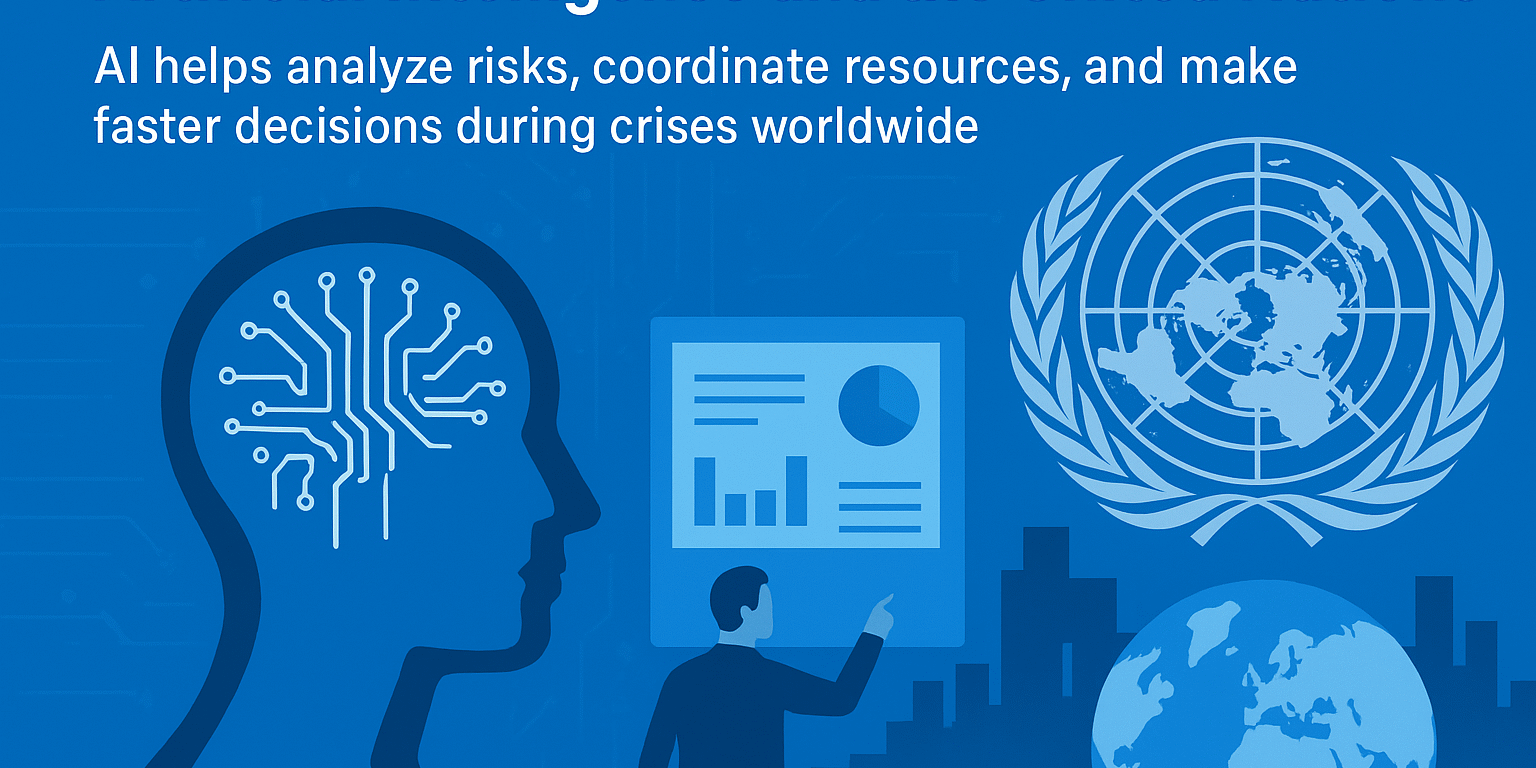
AI helps analyze risks, coordinate resources, and make faster decisions during crises worldwide.
Artificial intelligence changes the way emergencies are handled. It analyzes vast amounts of data in seconds and identifies critical situations before they become dangerous.
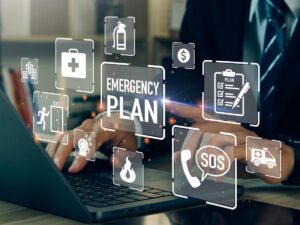
The United Nations uses AI to improve relief operations, coordinate resources, and make fast decisions on the ground.
Algorithms help determine where to act, which resources to send, and how to deploy personnel efficiently.
This reduces waste and increases the response capacity.
AI identifies high-risk areas using satellite, climate, and social data. It analyzes images, maps, and field reports, comparing them with historical patterns to detect changes or early warning signs. In conflict zones, AI helps assess risks for civilians and protect humanitarian workers. During health crises, such as epidemics, AI monitors infection spread, plans vaccine distribution, and predicts which areas need immediate attention. This shortens response times and increases safety for affected populations.
 The United Nations has launched projects that demonstrate the benefits of AI in emergency management.
UN Global Pulse collects and analyzes real-time data to detect social and humanitarian crises early.
AI supports peacekeeping operations by assessing risks in conflict areas and identifying vulnerable populations.
In healthcare, intelligent systems organize the distribution of medicines and supplies, ensuring aid reaches the right locations. AI does not replace humans but provides precise, up-to-date information to support decisions on the ground.
Challenges remain. Data must be accurate and complete, or decisions may fail. Algorithms need to be transparent and verifiable to maintain accountability and trust. Sharing information between countries and organizations requires secure protocols to protect sensitive data. Emergency managers must combine human expertise with technology, balancing advanced analysis with knowledge of the local context and communities affected.
Integrating AI with United Nations operations changes crisis response. Technology offers tools to act faster, reduce risks, and protect people. Reliable data allows operators to make informed decisions, deliver aid efficiently, and prevent escalation. AI turns complex information into actionable insights while humans guide operations and remain connected with affected communities.
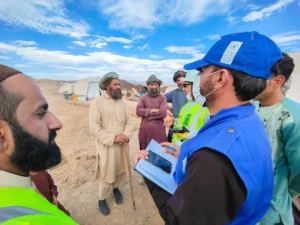
Artificial intelligence supports emergency management. It helps analyze situations, coordinate resources, and reduce errors. Combined with the experience of field operators, AI allows faster interventions and protects more lives. The United Nations shows that responsible technology use increases operational efficiency and strengthens global safety. Reliable data, clear processes, and international collaboration allow crises to be handled with precision, speed, and safety.
-
United Nations – Artificial Intelligence
👉 https://www.un.org/en/artificial-intelligence -
UN Global Pulse (dati e AI per crisi)
👉 https://www.unglobalpulse.org -
WHO – Artificial Intelligence in Health Emergencies
👉 https://www.who.int/health-topics/artificial-intelligence -
UN Peacekeeping
👉 https://peacekeeping.un.org -
ReliefWeb (emergenze umanitarie in tempo reale, ONU)
👉 https://reliefweb.int -
UNDRR – Disaster Risk Reduction
👉 https://www.undrr.org
#IntelligenzaArtificiale #GestioneDelleEmergenze #NazioniUnite #ONU #CrisiUmanitarie #AIforGood #AnalisiDeiDati #PrevenzioneCatastrofi #Peacekeeping #SicurezzaGlobale #BigData #TecnologiaEUmanità #InnovazioneSociale #ProtezioneCivile #EmergenzeSanitarie #manuelcarta #esculapiani #ArtificialIntelligence #CrisisManagement #UnitedNations #UN #HumanitarianCrisis #AIforGood #DataAnalysis #DisasterPrevention #Peacekeeping #GlobalSecurity
#BigData #TechAndHumanity #SocialInnovation #CivilProtection #HealthEmergencies
Manuel Carta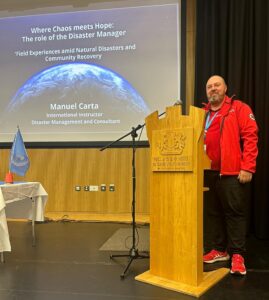
manuel.carta@esculapiani.com
manuel.carta@ou.ac.uk
www.esculapiani.com