
Crime and Biology: The Intersection of Forensic Science and Biological Research
written by Mariagiovanna Pais
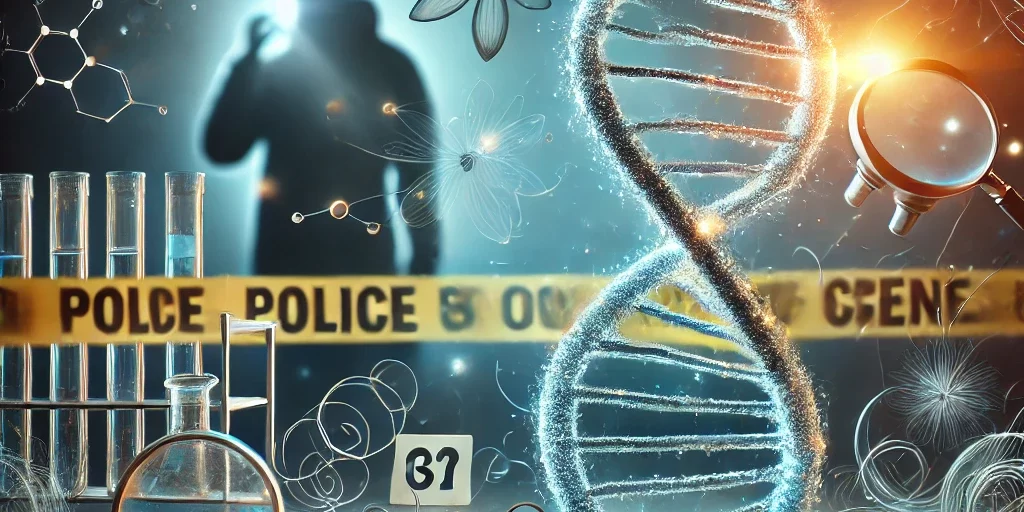
In the world of crime investigation, biology plays a critical role in unraveling mysteries and solving cases. From DNA profiling to the study of biological evidence, the field of forensic biology has become indispensable in modern law enforcement and legal systems. By applying biological principles and techniques to crime scenes, forensic scientists can identify suspects, exonerate the innocent, and provide crucial evidence in court. In this article, we’ll explore the intersection of crime and biology, focusing on key techniques such as DNA analysis, the use of biological evidence in crime-solving, and the emerging role of forensic biology in the criminal justice system.
The Role of DNA Profiling
One of the most significant advancements in forensic biology is the use of DNA profiling, a technique that analyzes genetic material to identify individuals with a high degree of accuracy. DNA is unique to each person (except identical twins), and even small samples—such as hair, blood, skin cells, or saliva—can provide a genetic fingerprint that links a person to a crime scene.
How DNA Profiling Works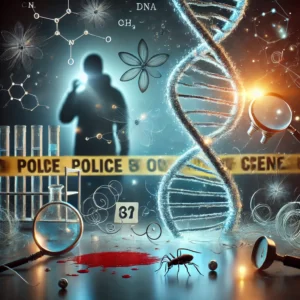
- Collection of Biological Samples: DNA can be extracted from a variety of sources, including blood, hair follicles, semen, skin cells, or other bodily fluids left at a crime scene.
- Extraction and Amplification: The DNA is extracted from the cells and then amplified using a process called polymerase chain reaction (PCR), which makes millions of copies of specific DNA segments.
- Analysis: Scientists examine the amplified DNA at specific loci (locations on the DNA) that are known to vary greatly between individuals. These loci are called Short Tandem Repeats (STRs), and the pattern of STRs can be compared across individuals.
- Matching Profiles: The resulting DNA profile is compared to a database of known profiles or samples taken from suspects. A match can indicate that the DNA at the crime scene belongs to the suspect, providing strong evidence of involvement.
DNA profiling has revolutionized crime-solving, allowing investigators to link suspects to crimes with unprecedented precision. It has also been instrumental in exonerating individuals who were wrongfully convicted, sometimes years or even decades after their imprisonment.
Biological Evidence in Crime Investigation
In addition to DNA, many other forms of biological evidence play critical roles in crime investigations. Each type provides unique information that helps reconstruct events and establish facts about what occurred at a crime scene.
Bloodstain Pattern Analysis
Blood is a common type of biological evidence found at crime scenes, and its presence can reveal much more than just identity. Bloodstain pattern analysis (BPA) studies the distribution, size, shape, and location of bloodstains to understand the events that caused them. The pattern of blood can indicate:
- Direction of travel: Determining the movement of individuals involved in the crime.
- Type of injury: Identifying whether the blood was caused by blunt force trauma, sharp injuries, or gunshot wounds.
- Position of the victim and assailant: Indicating where the people were located during the crime.
For example, a high-velocity blood spatter may suggest a gunshot wound, while larger, more irregular stains may indicate a blunt force injury.
Entomology and Crime Scene Investigation
Forensic entomology is the study of insects in criminal investigations. By examining the presence, life cycle, and development of insects (especially flies and beetles) on a corpse, forensic entomologists can estimate the time of death, known as the post-mortem interval (PMI). This information is crucial in homicide cases where the time of death can help narrow down suspects and establish alibis.
Forensic entomology is particularly useful in cases involving decomposed remains, where other methods of estimating time of death, such as body temperature or rigor mortis, are no longer effective.
Microbial Forensics
An emerging field in forensic biology is microbial forensics, which examines the microorganisms found on or within the human body to assist in crime-solving. The human microbiome—the community of bacteria, fungi, viruses, and other microbes living in and on the body—varies between individuals and can change after death. By studying the microbial signatures present at a crime scene, scientists can gain insight into where a body has been, how long it has been there, and even potentially identify suspects through unique microbial markers left behind.
For instance, if a person has been in a particular environment, such as a forest or a specific location, the microbiome may reflect that. Additionally, the microbial communities that develop on a corpse as it decomposes can provide valuable information about the time of death, supplementing traditional forensic methods.
The Role of Forensic Biology in the Criminal Justice System
Forensic biology not only helps solve crimes but also plays a crucial role in the legal process. Biological evidence, especially DNA, is often considered one of the most reliable forms of evidence in court. However, its use comes with challenges and ethical considerations.
- Chain of Custody: Ensuring that biological samples are collected, stored, and analyzed properly is critical to maintaining their integrity. Any mishandling can lead to contamination, which could compromise the results and impact the case.
- Interpretation of Evidence: While DNA evidence can be highly persuasive, it is not infallible. Experts must interpret the results carefully, considering the possibility of false positives, partial matches, or the presence of DNA from multiple individuals at a crime scene.
- Privacy Concerns: As DNA databases grow, concerns have arisen about the privacy implications of storing and using genetic information, especially when it comes to familial searches that can implicate relatives of individuals in the database.
Challenges and Future Directions
Despite its power, forensic biology faces several challenges. One of the most significant is the increasing backlog of DNA samples awaiting analysis, which can delay investigations and justice. There is also the issue of contamination and degradation of biological samples, particularly in older cases where evidence may not have been properly preserved.
Looking to the future, advances in technology continue to expand the capabilities of forensic biology. The development of next-generation sequencing (NGS) allows for more detailed DNA analysis, potentially providing even more precise identification. Researchers are also exploring epigenetic markers—changes in gene expression rather than the DNA sequence itself—that could provide clues about a person’s age, lifestyle, or environmental exposures.
Conclusion
The intersection of biology and crime investigation has transformed the field of forensic science, providing powerful tools to solve crimes and secure justice. From DNA profiling to entomology and microbial forensics, the application of biological principles has led to remarkable breakthroughs in crime-solving. As technology continues to advance, forensic biology will undoubtedly become even more integral to criminal investigations, offering new ways to understand the complexities of human behavior, biology, and the law.